What Does Individualized Learning Really Look Like?
Many preschools and early childhood centers will advertise that their students are learning throughout the day be it through play, structured academics, or nature. But how can you know that what they are learning is beneficial to the whole child?
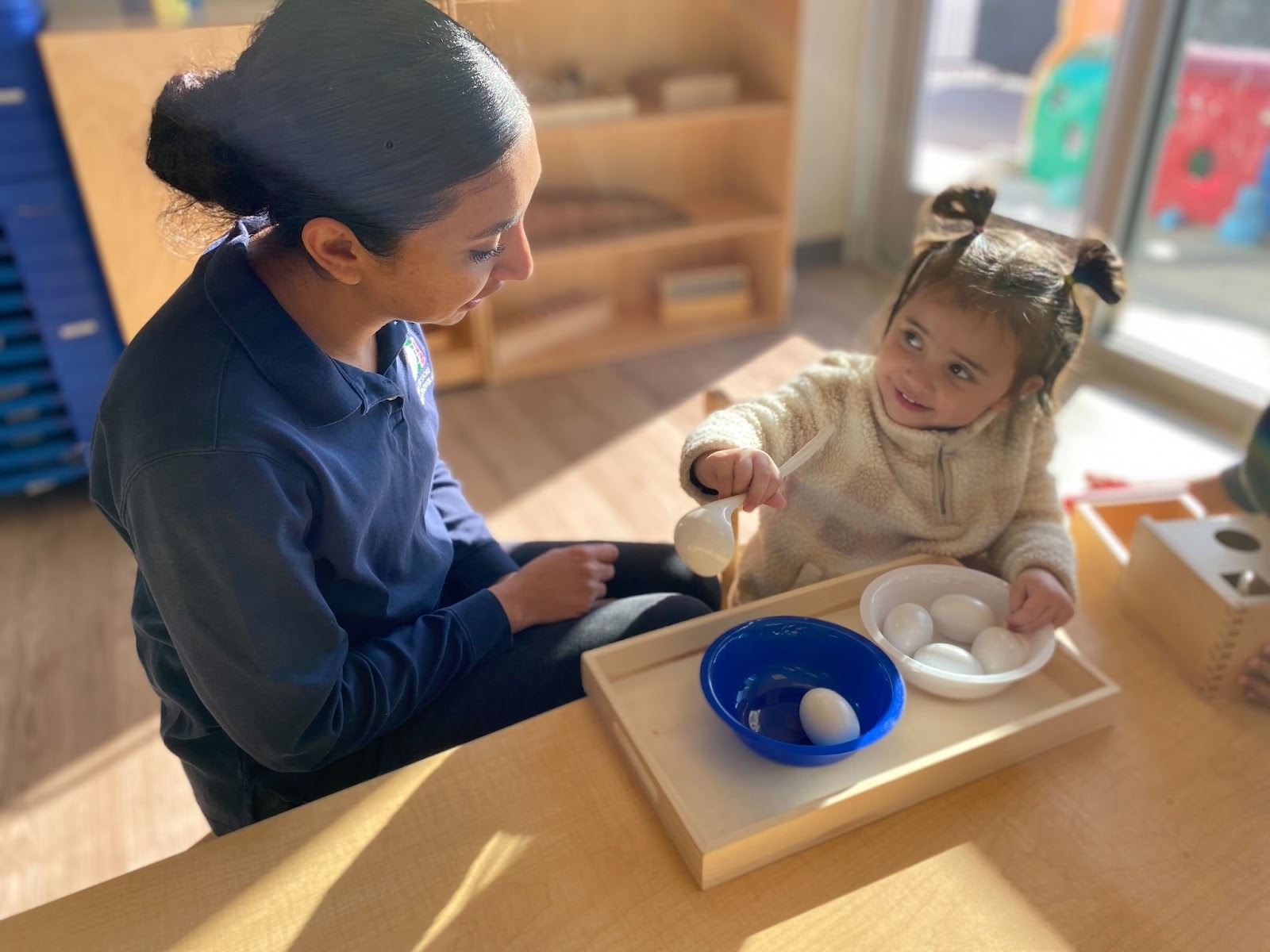
At MKU, our teachers follow the child, meaning through observing and recording, they are tracking what materials students have been introduced to and what they are ready for next. This is beneficial to the whole child because students are being shown by the adults in the room that they can trust their choices in a classroom where they belong. Montessori materials are not off limits to students during work cycle so as they work their way through Math, Language Arts, Sensorial, Practical Life, Science, and Geography, their choices reflect what they are interested in and what they are capable of learning. Teachers will take note of this to ensure that they are presenting new and interesting materials to the student.
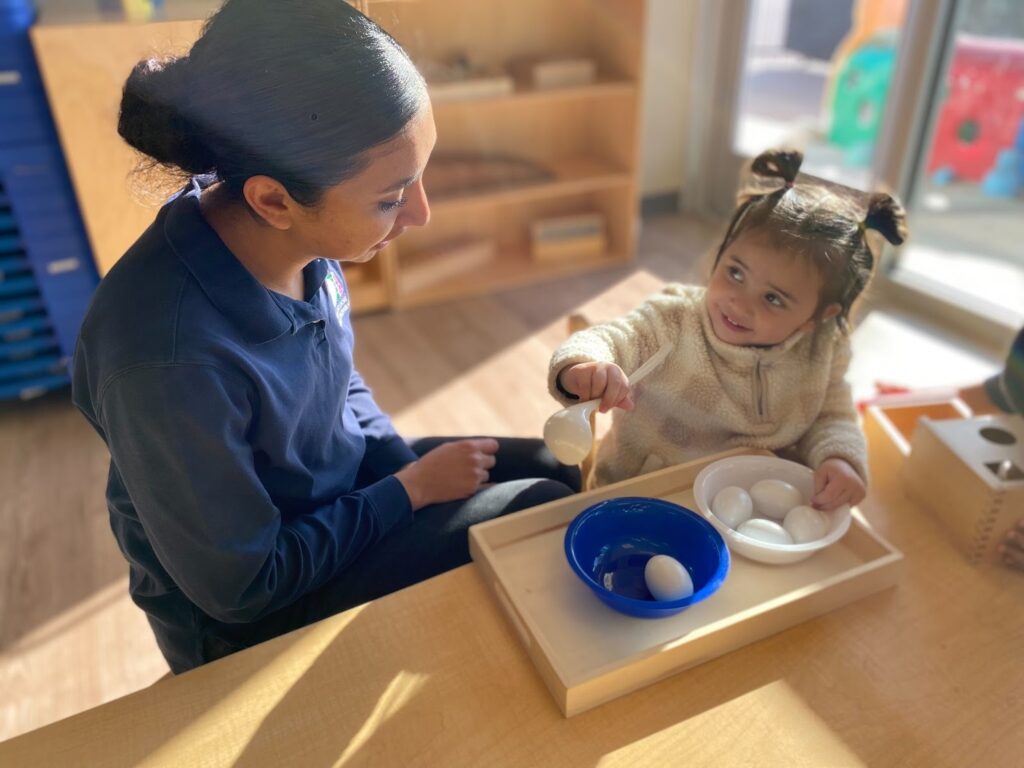
An example of this observing and recording is as follows:
Liddy has been choosing the Spindle Box everyday during work cycle for 3 weeks now. Liddy has shown that she can expertly complete this work, meaning she has mastered it. Her teacher observes this but does not interfere. She simply notes that Liddy may be ready to be shown a presentation on Cards and Counters or the Zero Activity. Liddy is not discouraged from repeating the Spindle Box because as Maria Montessori said, “Growth comes from the repetition of an exercise and not from the first apprehension of something new.” Instead, when Liddy returns the Spindle Box to the shelf, the teacher will invite Liddy to join her in a presentation of a math material she has not explored yet.
The combination of trained Montessori teachers, didactic materials, and a child confident in the classroom creates an environment perfect for supporting the whole child!